Soft Washing vs. Pressure Washing: Which Is Right for Your Home?
By the Peak Clean team · October 13, 2026
People often use "pressure washing" for every kind of exterior cleaning, but there are two different methods, and the right one depends on the surface. Choosing wrong can leave damage that costs far more than the cleaning did.
What pressure washing is
Pressure washing uses high-pressure water to blast dirt and stains off hard, durable surfaces. It works well on concrete driveways, sidewalks, and patios, where the material can handle the force.
What soft washing is
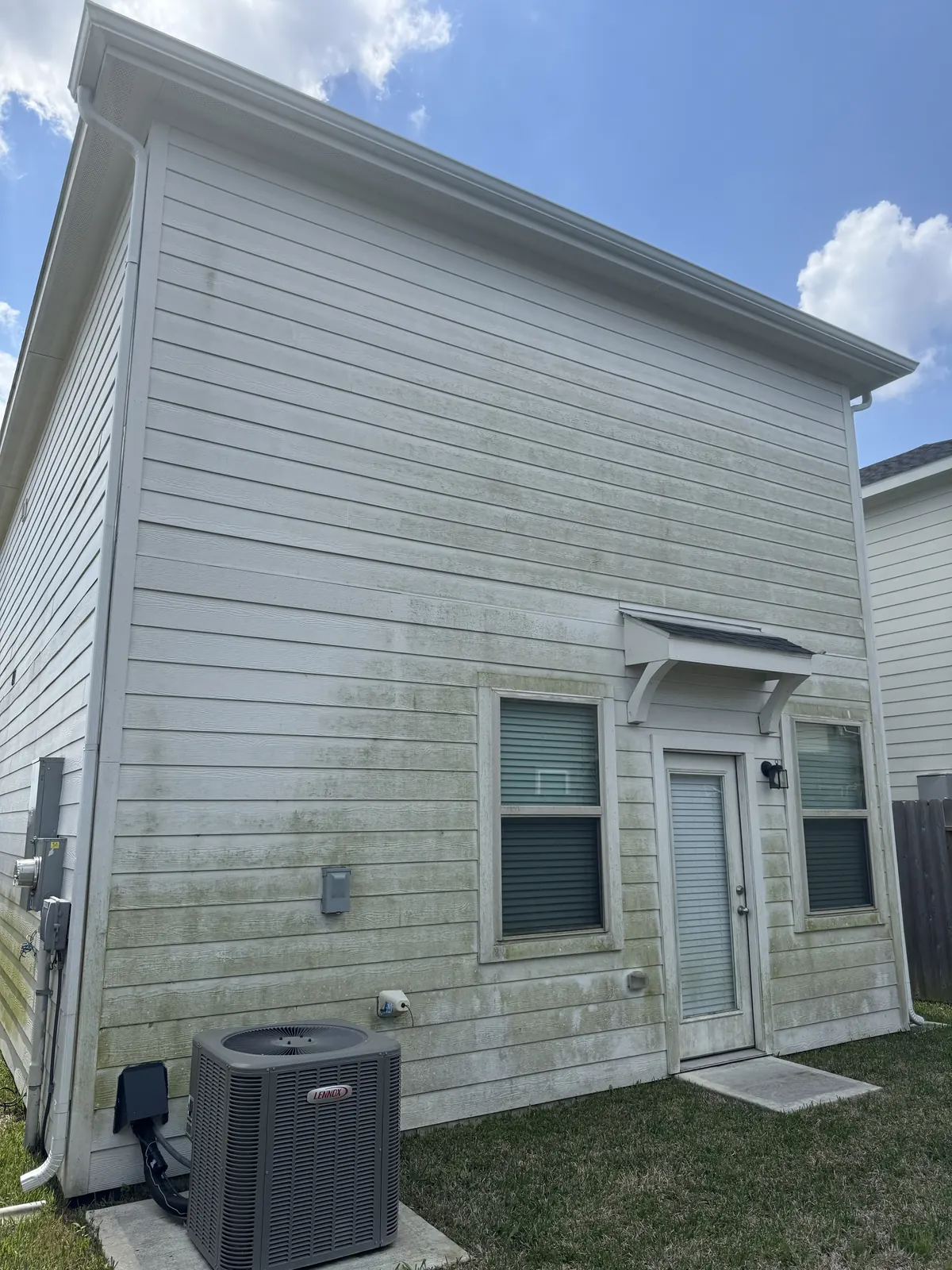
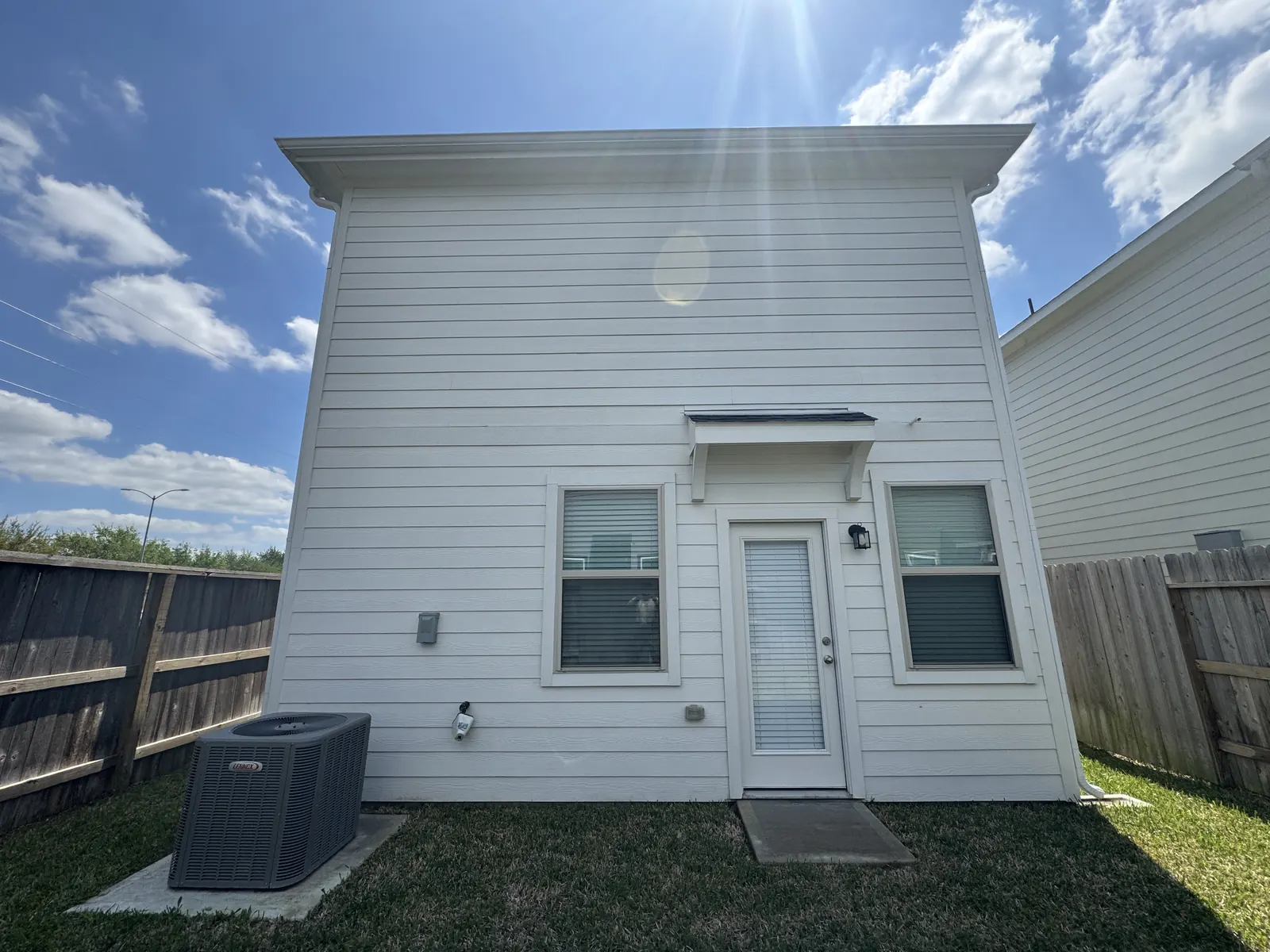
Soft washing uses low-pressure water with a cleaning solution, typically sodium hypochlorite, applied to the surface and given time to work before a gentle rinse. Instead of blasting growth off, the solution breaks it down at the source. It's the right approach for roofs, siding, brick, stucco, and painted surfaces.
Which surfaces need which method
- Soft wash: roofs, vinyl and fiber-cement siding, stucco, brick, painted surfaces, fences and delicate areas
- Pressure wash: concrete driveways, sidewalks, garage floors, and similar hard surfaces
What too much pressure can do
- Strip paint and loosen caulking
- Force water behind siding, where it can cause trouble later
- Crack or pit stucco and wear down mortar
- Strip the protective granules from asphalt shingles, which can shorten roof life
Is soft washing safe for landscaping and pets?
A good crew pre-wets and covers sensitive plants, uses properly diluted solutions, and rinses the area thoroughly afterward. We recommend keeping pets inside during the service.
How we choose
We look at the surface first and pick the method that's safe for it. Many homes need both: soft washing for the house and roof, and higher-pressure cleaning for the driveway and walkways.
Frequently Asked Questions
Related Services & Guides
Want a clean, protected exterior?
Peak Clean is fully licensed & insured with over 5 years serving Houston. Get a free, no-obligation quote.
Get a Free Quote